


Formentera Lighthouses: where they are and what to see
Do you know where the word “faro” (lighthouse in spanish) comes from? It all began in the 3rd century BC on a small Egyptian island called Pharos, where a 134-meter tower was built with a perennial fire burning at its top to guide sailors. That building, one of the Seven Wonders of the Ancient World, was the tallest tower ever built by man until then. From that legendary construction comes the name used in many languages for these solitary sentinels, forever standing on the border between land and sea.
Formentera is home to 3 lighthouses, each with its own mystical beauty. If you have already booked your holiday apartment in Formentera, you will know that the island is easy to get around, but it is its furthest edges that offer the most powerful emotions. For this reason, we recommend checking the ferry to Formentera schedules in advance, so you can land on the island ready to be guided by the light of its guardians. Whether it is the solitary beauty of La Mola or the cinematic charm of Cap de Barbaria, each lighthouse will tell you a different story.
Let’s look in detail at the lighthouses of Formentera and why you should not miss them.

The La Mola Lighthouse: the guardian at the “end of the world”
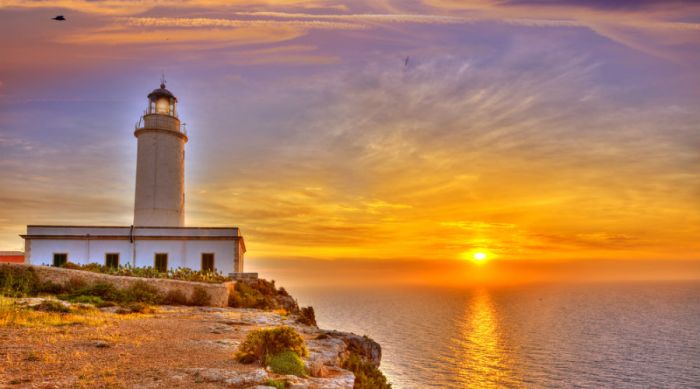
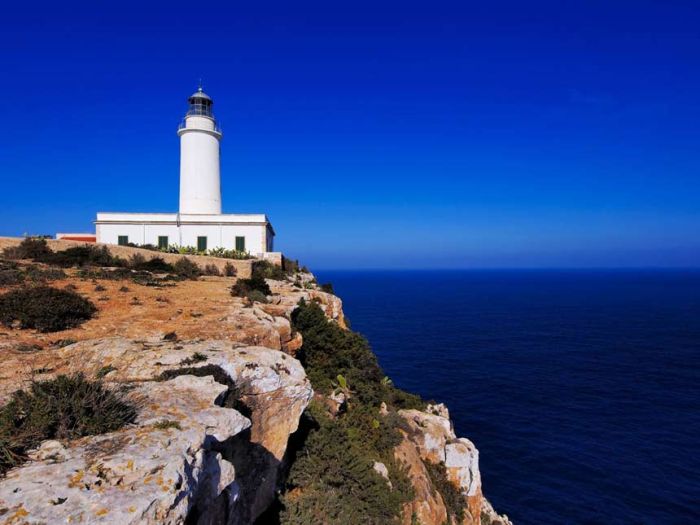
The La Mola lighthouse is much more than a simple guide for sailors; it is a symbol that embodies the deepest and most solitary soul of the island. The structure stands on the plateau of the same name, about 2.5 km away from the village of El Pilar de la Mola, at the easternmost point of Formentera.
The 22-meter-high tower soars above a sheer cliff overlooking the sea, reaching a height of 120 meters. Visiting this place is almost a ritual: coming to Formentera without stopping here would be like going to Rome and not seeing the Colosseum.
The technological evolution of the lighthouse
Inaugurated in 1861 during the reign of Isabella II, the lighthouse was designed by engineer Emili Pou. It is fascinating to see how technology has changed over time: initially, the light was produced by burning extra virgin olive oil, later switching to paraffin, and finally to electricity in 1971.
Today, the system is automated, but its power remains impressive: its 12 light beams have a range of 23 nautical miles (about 42 km), making it a first-class lighthouse in the Mediterranean.
The last guardian and the myth of Jules Verne
Until 2001, the lighthouse had a human heart. The last guardian, Javier Perez de Arevalo, lived here for years, managing an isolation that he himself defined as a swing between euphoria and melancholy. His departure marked the end of a romantic era, but the “literary” charm of the place remains intact.
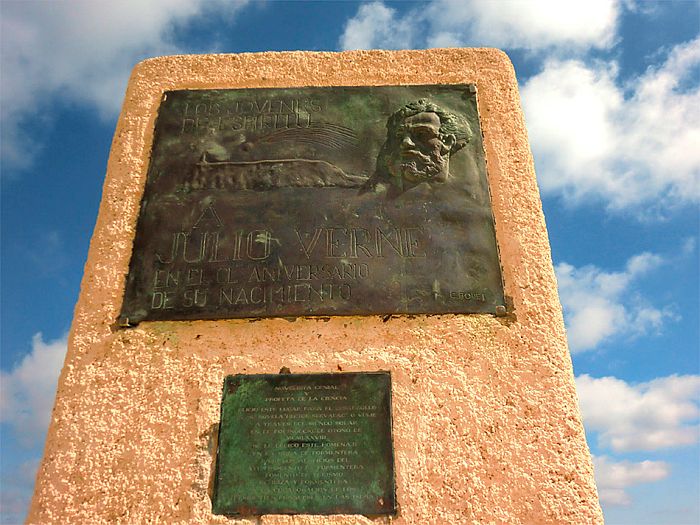
Right here stands a monolith in memory of Jules Verne, who mentioned La Mola in his novel “Off on a Comet” (Hector Servadac). The writer imagined that a comet tore away a piece of this plateau, carrying it into space along with the astronomer Palmyrin Rosette, who was on the island for his studies. This suggestion, combined with the description of these places as “the end of the world”, makes the lighthouse an unmissable destination for anyone captivated by stories of the world’s edges.
Museum, opening hours and practical tips
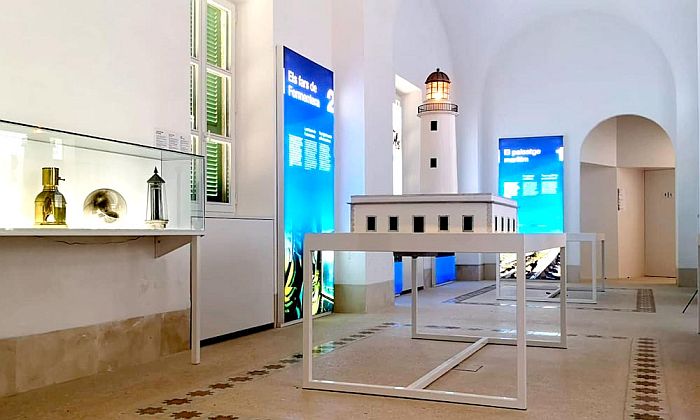
Since the summer of 2019, the base of the lighthouse has housed a museum and cultural space (open from Tuesday to Sunday, entrance fee approx. 4.5 €) that tells the visceral relationship between Formentera and the sea.
To reach the La Mola lighthouse, you will need to drive up the scenic hairpin bends that wind after the village of Es Caló. Given the distance from the main towns and the steepness of the road, many tourists choose car rental in Formentera to reach this spot comfortably, perhaps at the first light of dawn.
Thanks to its eastward orientation, it is indeed the best place on the island to watch the sunrise. If you do not suffer from vertigo, look out from the cliffs: the sound of the sea crashing against the rocks below will make you feel, for a moment, truly at the ends of the earth.


The Cap de Barbaria Lighthouse: cinema and sunsets over Africa
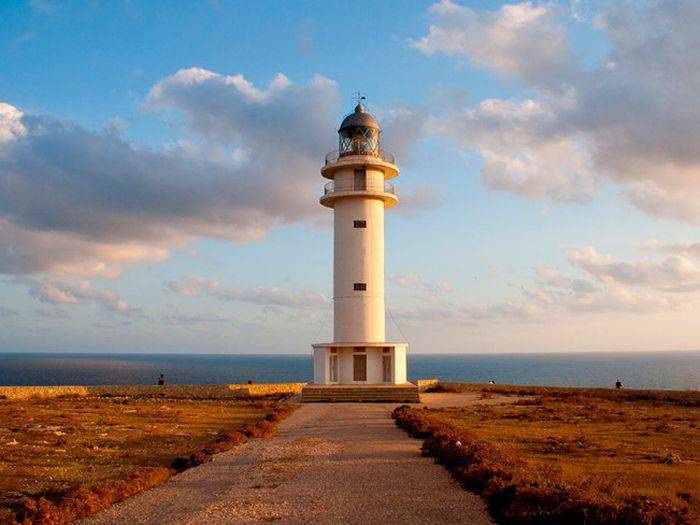
If the La Mola lighthouse represents the historical and literary side, the Cap de Barbaria lighthouse is the symbol of Formentera’s wild soul. Located at the southwestern tip of the island, it stands on an arid promontory about 78 meters above sea level. From here, the view points straight toward the African coast, which is less than 100 kilometers away.
Between pirates and defense towers
The name “Barbaria” has origins that evoke difficult times: some associate it with the Berbers, the populations who inhabited the African coasts; others to the violent “barbarities” committed by pirates who for centuries used this stretch of coast as a landing point for their raids.
As testimony to this dangerous past, the Torre des Garroveret stands a short distance from the lighthouse. Built in 1763, it was part of the island’s defensive system: from here, enemy ships were spotted, and danger was signaled using smoke and fire.
Technical data and curiosities
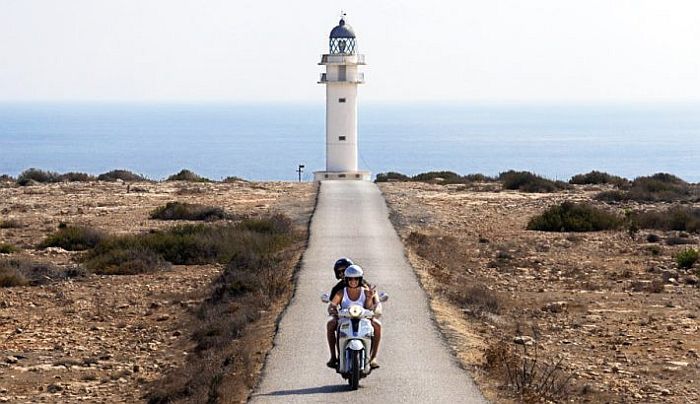
Designed in 1924 but inaugurated only in 1972, the lighthouse has a more modest structure compared to La Mola: the tower is just over 17 meters high with a diameter of 3 meters. Despite its small size, its isolated position makes it one of the most photographed spots in the Mediterranean.
The icon of “Sex and Lucía“
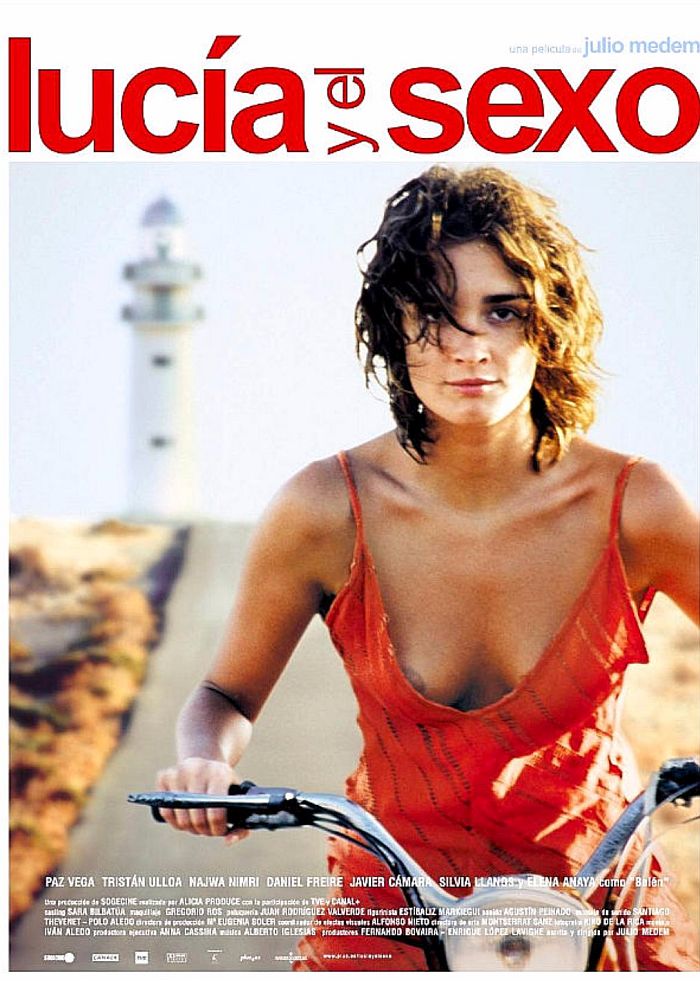
The lighthouse owes much of its international fame to cinema. In 2001, director Julio Medem chose it as the central location for the film “Sex and Lucía” (Lucía y el sexo). The poster, featuring actress Paz Vega with the lighthouse in the background, has become an iconic image of Spanish pop culture.
Walking or riding down the straight road leading to the lantern still gives the feeling of being inside a movie scene, where time seems to have stood still.
Cova Foradada: a secret window
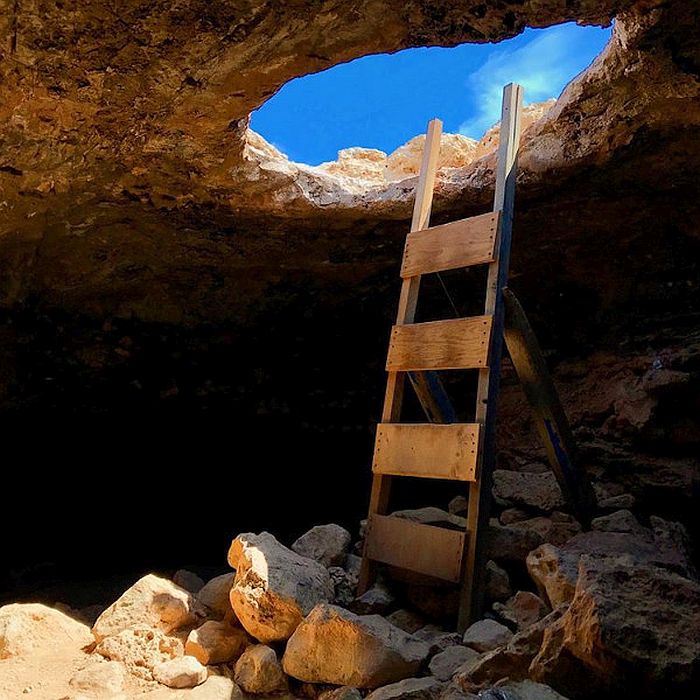
A few meters from the lighthouse lies one of the most fascinating attractions in the area: Cova Foradada. This is a natural crack in the rock that hides an underground cave. Descending through a small hole in the ground (using a wooden ladder provided on-site), you find yourself on a natural balcony suspended over the cliff.
It is a unique vantage point to observe the deep blue of the sea from a privileged perspective.
Practical tips for your visit
Since 2017, to protect the pristine beauty of this area, vehicle access has been regulated. A barrier at km 6.5 of the Es Cap road marks the protected area:
- Parking: a large parking area is available for up to 60 cars and 100 scooters, monitored by a warden during peak hours.
- The walk: a walk of just under 2 km (20-25 minutes) is required from the parking lot to the lighthouse.
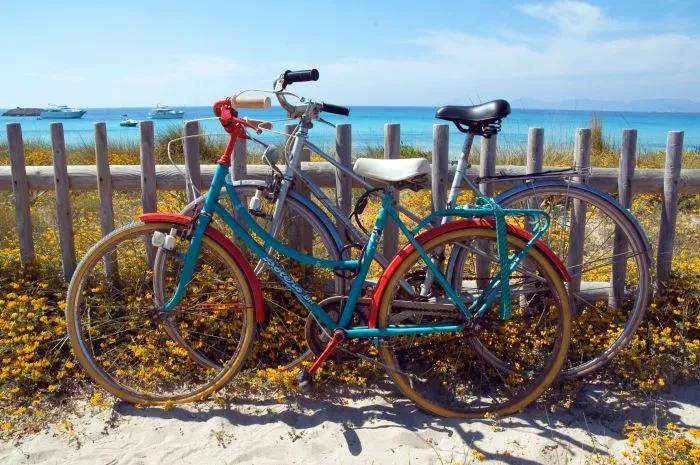
- Scooter rental: many travelers choose scooter rental in Formentera to reach Cap de Barbaria, enjoying the wind and the scents of the Mediterranean scrub along the way before continuing on foot.
Although you can enjoy an incredible panoramic view of the Migjorn coast from here, the most magical moment is undoubtedly the sunset. Remember, however, that the area has no artificial lighting to avoid disturbing the local wildlife: if you decide to stay until the last ray of sun, bring a small flashlight for the walk back to the parking lot.

The La Savina Lighthouse: the first welcome and the last goodbye
The La Savina lighthouse is probably the least known by tourists compared to those of La Mola and Cap de Barbaria, which attract thousands of visitors every summer. Yet, it possesses a unique symbolic and emotional value: it is the first structure you spot on the horizon when you arrive and the last one you wave goodbye to when leaving the island.
A safe guide between the port and the lagoon
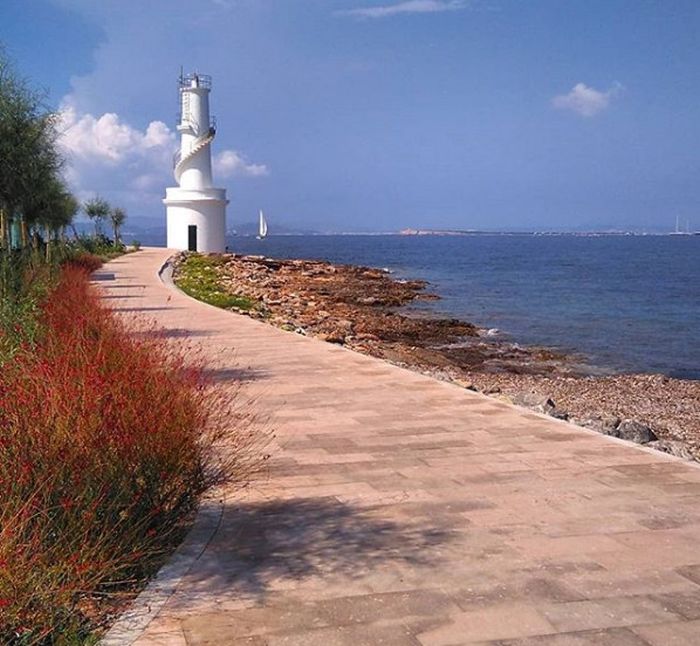
Located in the north of Formentera, right next to the port, this lighthouse has a more modern and functional architecture. Its importance for safety is fundamental: its position is strategic for monitoring maritime traffic between Ibiza and Formentera, representing the first sign of welcome for anyone landing on the island.
Furthermore, the lighthouse serves as an essential reference point for boats entering Estany des Peix. This natural lagoon, connected to the sea by a narrow opening, houses a sheltered harbor where fishing boats and small pleasure craft find refuge, making the entire area a picturesque scene of local marine life.
A privileged viewpoint
Despite often being overlooked, the area surrounding the lighthouse offers a privileged perspective. On clear days, the view stretches as far as Ibiza and allows you to admire the magnetic profile of the islet of Es Vedrà, which from here seems to emerge from the waters like a stone giant.
It is the perfect spot for a first refreshing walk right after getting off the ferry: ideal for starting to breathe in the island air while waiting to pick up your vehicle or check into your accommodation. A small rite of passage that will make you feel immediately part of the magic of Formentera.
Why you should visit the lighthouses of Formentera
Thus ends our journey to discover the lighthouses of Formentera, silent sentinels that have watched over the island’s coasts for centuries. We highly recommend visiting at least one during your stay: whether it is for the sunrise at La Mola or the sunset at Cap de Barbaria, each one will offer you a unique emotion.
After all, when planning what to see in Formentera, the answer simply has to start here.
Image Gallery
-
- Monolith in memory of Jules Verne
-
- Museum inside the La Mola lighthouse
-

- Film poster “Sex and Lucia”
-
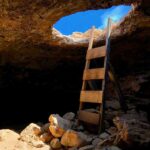
- Cova Foradada